%2Ffit-in%2F250x250%2Fguide_websites%2F16105%2Fimages%2F1725643430453430034904_380088658146700_4495933343491997256_n.jpg&w=1920&q=100)
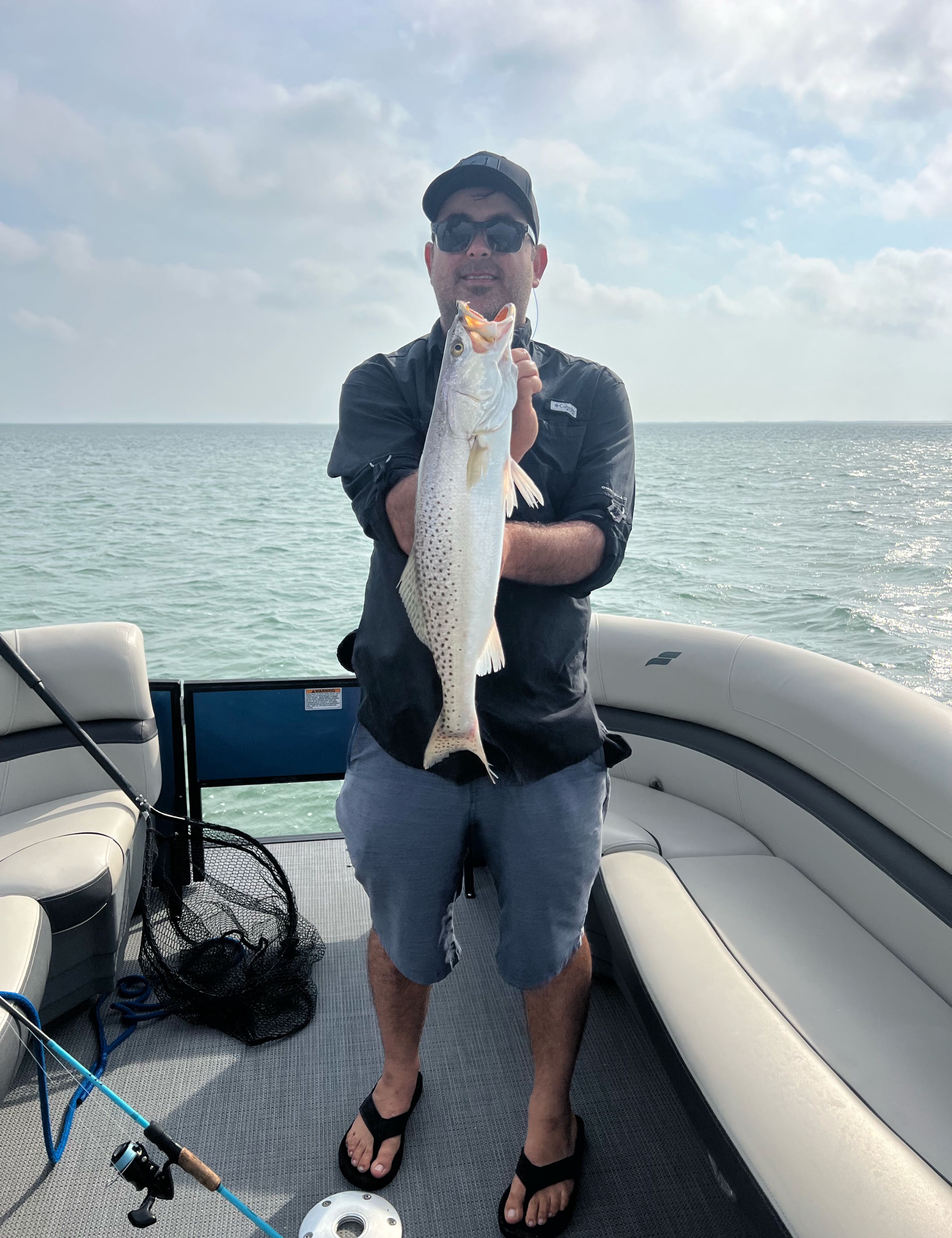
Caught a Squeteague Inshore in South Padre Island
Squeteague Fishing in South Padre Island
5.0

9 Reviews
- 5
 100%
100% - 4
 0%
0% - 30%
- 20%
- 10%
%2F%2Fusers%2F0803de27-9c89-47fa-b8ae-f15f738ba679%2Fimages%2Ffishing-adventure-jims-pier-catch-10081.png&w=1920&q=75)
The Squeteague (Cynoscion regalis), commonly called Weakfish, belongs to the Sciaenidae family and is a popular inshore target around South Padre Island. These fish typically measure between 14 and 39 inches in length and weigh between 12 and 20 pounds when fully grown. They prefer coastal habitats including onshore areas, nearshore waters, and shallow flats. - Squeteague are olive green with darker coloring on top and lighter below, often appearing iridescent with distinctive spots. - Their name "Weakfish" comes from their tender mouth structure which can tear easily when hooked.
Fishing Charter by Captain Skylar Wilhite in December
- Top-rated Fishing Charters in South Padre Island


Summary
Join South Water Charters for an exciting fishing charter on South Padre Island. Captain Skylar Wilhite guides Tuesday October trips targeting squeteague (weakfish) using proven inshore techniques. Our 4-hour expeditions take you to the productive grass flats and drop-offs where the speckled trout bite remains consistent year-round. Whether you prefer bottom fishing with live bait or casting lures to cover more water, we'll adapt to conditions and put you on fish. The local waters offer excellent opportunities for anglers of all skill levels, with our half-day trips providing ample time to work different productive areas while enjoying the beautiful coastal surroundings.
Fishing Charter with Skylar Wilhite – Rates & Booking
Captain Skylar Wilhite of South Water Charters on Tuesday October offers the Half Day Fishing Trip targeting squeteague, redfish, and more. This 4-hour trip starts at 8:00 AM and accommodates up to 3 guests. We provide all necessary gear including rods, reels, tackle, and live bait. You'll need to bring sun protection, refreshments, and your fishing license. Our rates are competitive with a small non-refundable deposit required to secure your booking. Captain Skylar is a licensed guide with extensive local knowledge of South Padre Island's waters and the seasonal patterns of our inshore species.
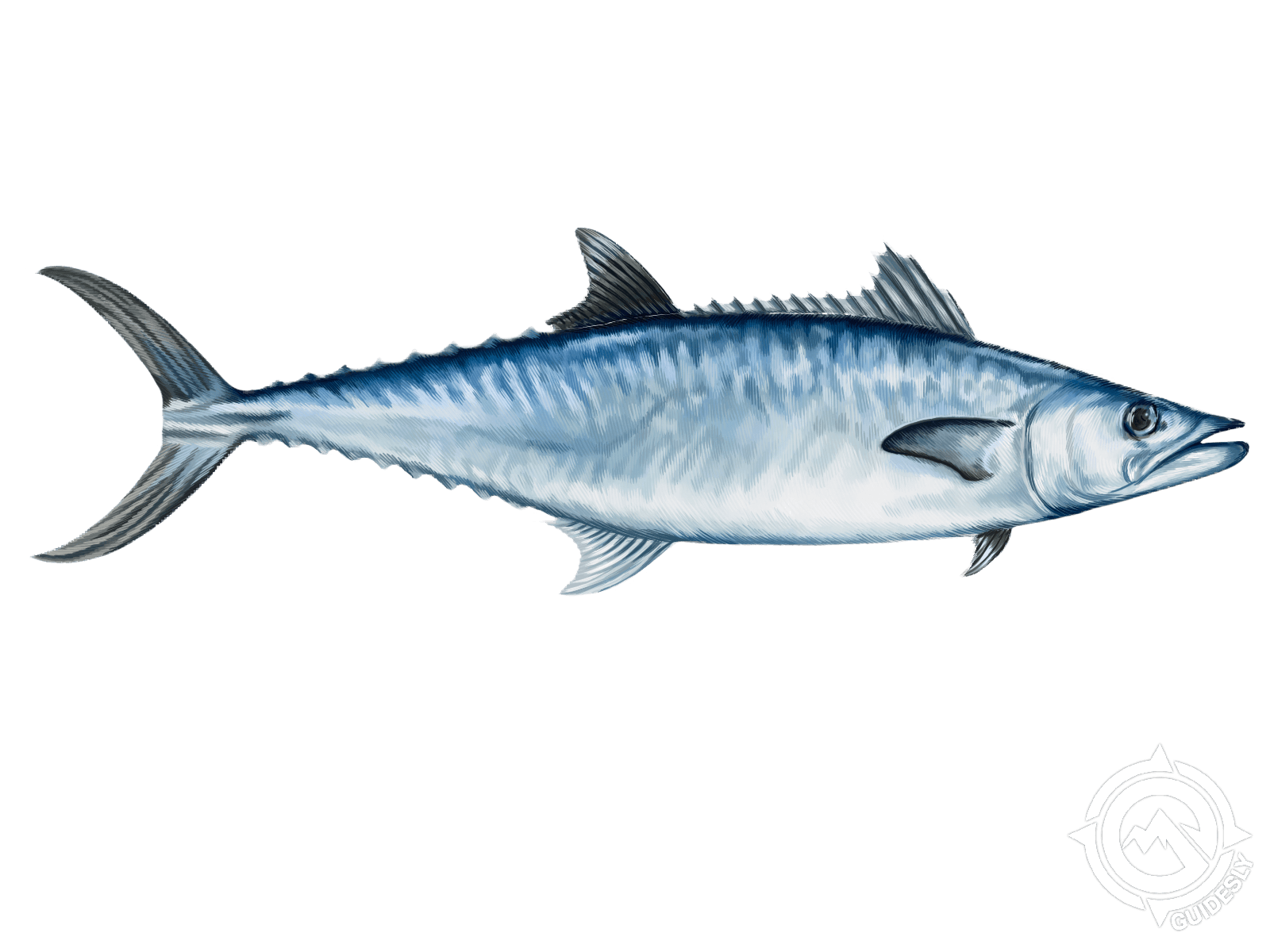
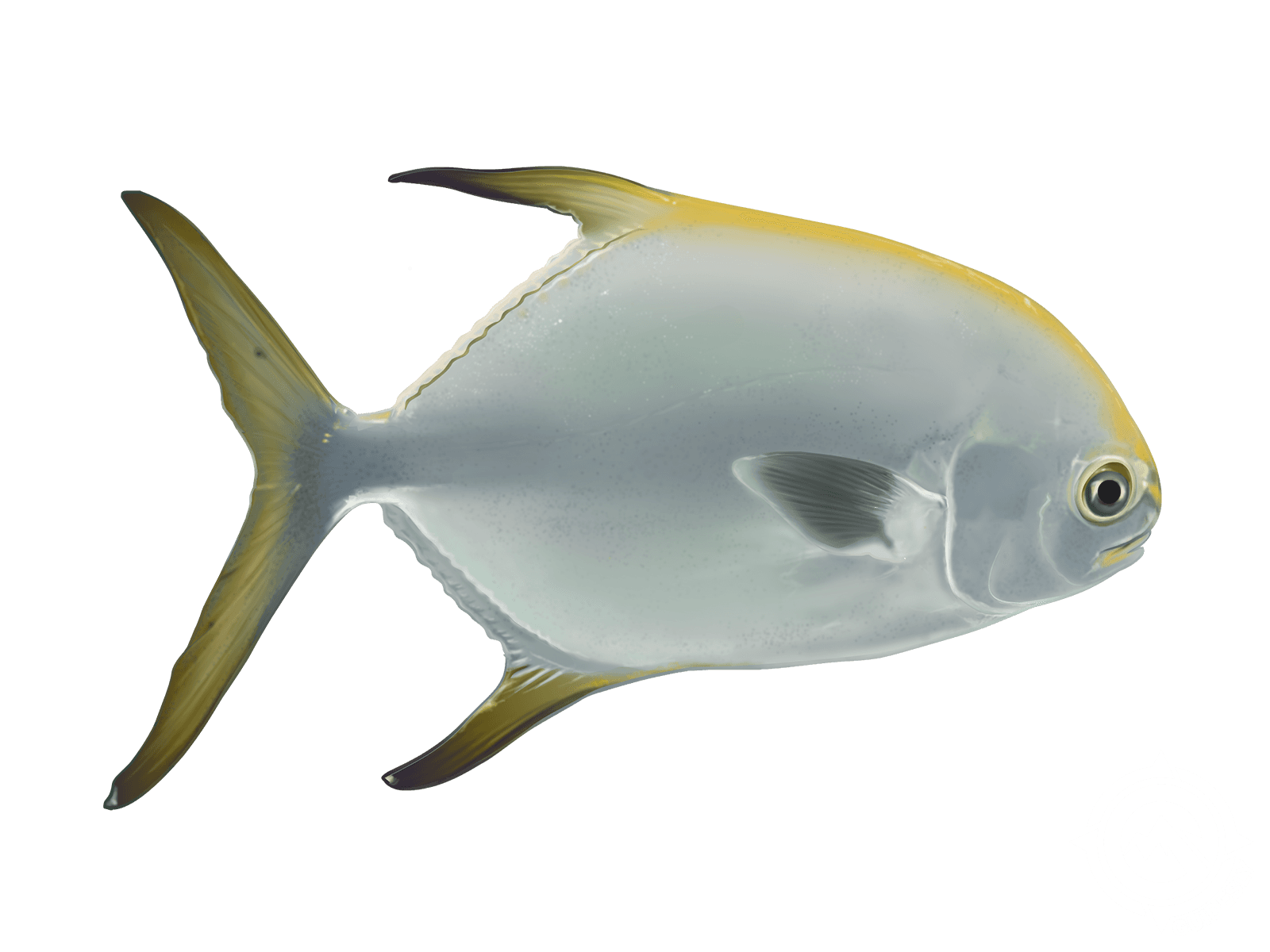
Highlights of Half Day Fishing Trip In South Padre Island - Mackerel, Permit And More
Our inshore fishing adventures focus on the productive flats and drop-offs around South Padre Island. We employ various techniques including bottom fishing with live bait and casting lures to maximize your catch opportunities. The speckled trout (squeteague) bite is particularly strong in the shallows, with consistent action throughout most trips.
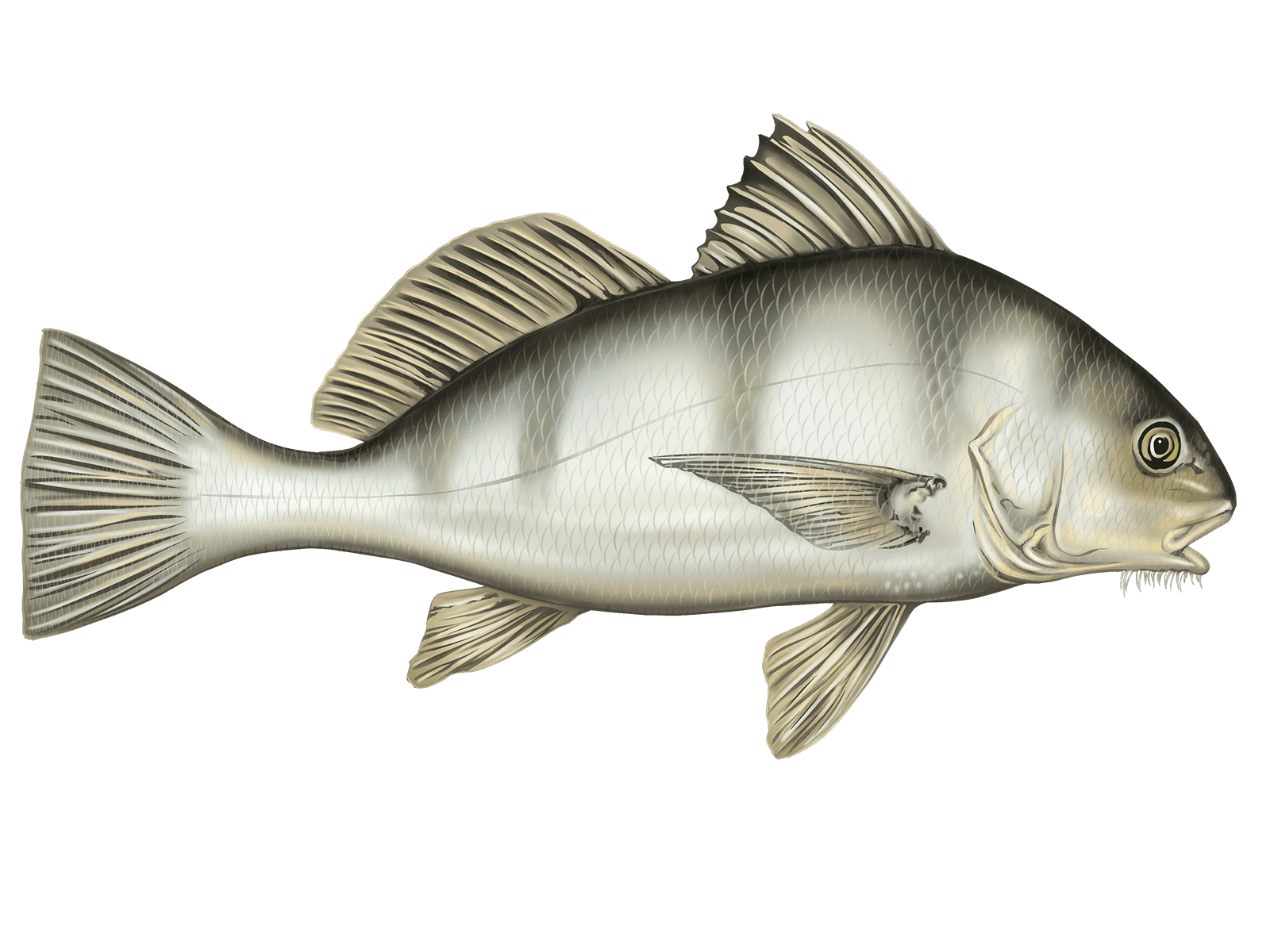
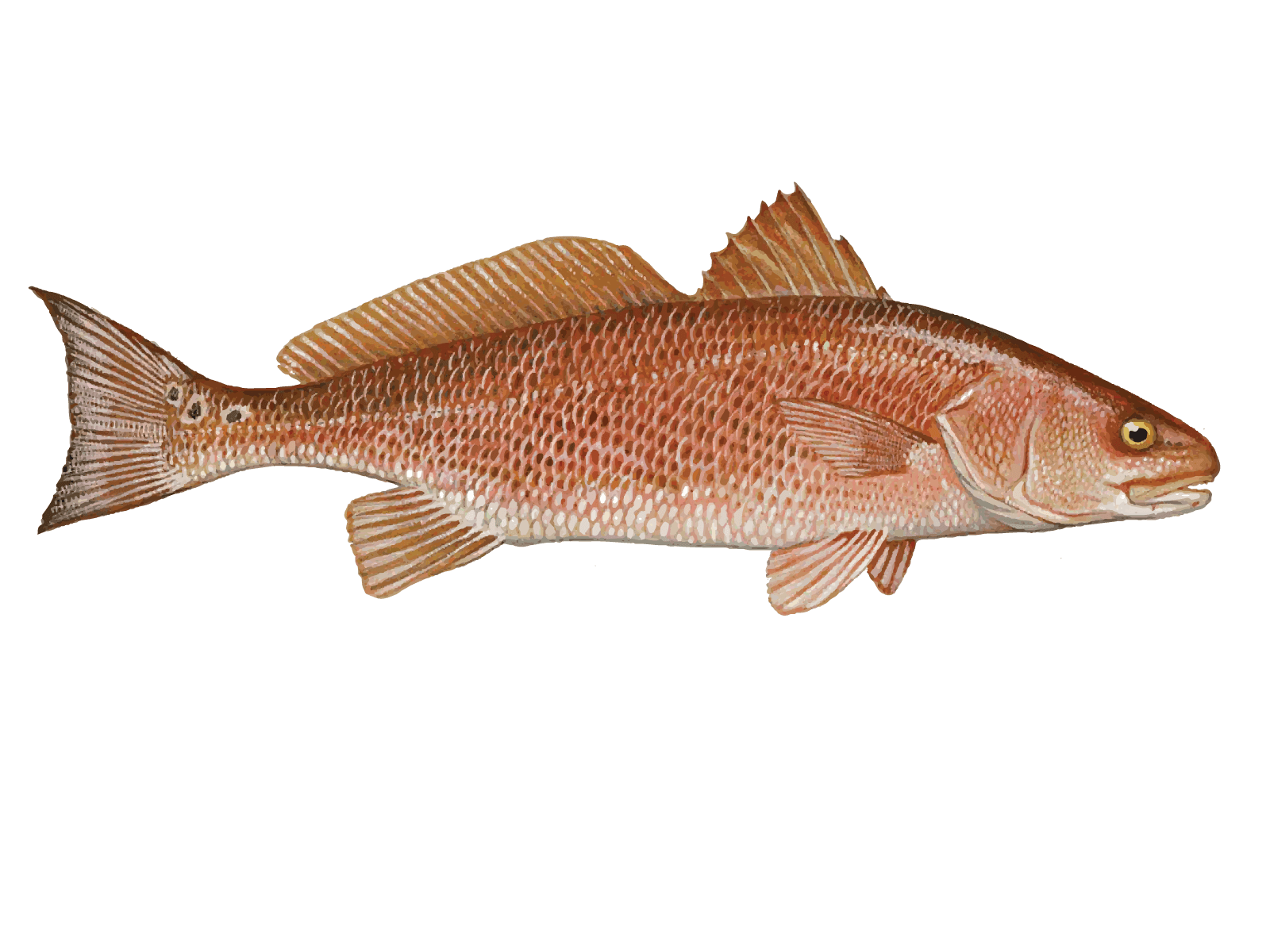
South Padre Island's diverse ecosystem supports multiple species year-round. While targeting squeteague, we frequently encounter redfish, black drum, and other inshore species. The grass flats provide perfect habitat for these fish, making our location ideal for productive half-day trips that deliver plenty of rod-bending action.
Local Species Insights: Squeteague
Squeteague, also known as weakfish or speckled trout, thrive in South Padre Island's inshore waters. These fish prefer grass flats and drop-offs where they can ambush prey. Our local population responds well to both live bait presentations and artificial lures, with particularly strong activity during falling tides. Captain Skylar's experience helps put clients on these fish using techniques refined through years of fishing these waters. The squeteague's willingness to strike makes them an excellent target for anglers of all skill levels, and their delicate white flesh makes them a prized table fare when kept within regulations.
Plan Your Fishing Charter Day
Our fishing charters depart from a convenient South Padre Island location. We provide a well-maintained, safety-equipped boat specifically designed for inshore fishing. All fishing equipment is included—quality rods, reels, and terminal tackle suited to our target species. We recommend bringing sunscreen, polarized sunglasses, a hat, camera, light jacket, and any preferred snacks or drinks. Morning trips often provide the best action, so we'll meet 15 minutes before departure to ensure an on-time start and maximize your time on the water.
Fishing in South Padre Island: Squeteague
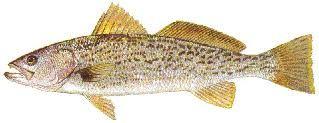
The Squeteague (Cynoscion regalis), also known as Weakfish, is a member of the Sciaenidae family in the order Perciformes. This sea trout species features an olive-green body with darker coloration on top, lighter below, and distinctive spots that create an iridescent appearance. In South Padre Island waters, these prized gamefish provide exciting action for anglers targeting the grass flats and drop-offs.
Squeteague Overview
Squeteague is a coastal predator that's highly sought after for both its sporting qualities and table fare. This species is characterized by its elongated body, large mouth with sharp teeth, and distinctive coloration that helps it blend into its environment. Anglers prize these fish for their aggressive strikes and spirited fights when hooked.
Squeteague Habitat and Distribution
These fish typically inhabit coastal waters, estuaries, and bays along the Atlantic coast, with strong populations around South Padre Island. They prefer areas with mixed bottom structure, particularly grass flats, channels, and drop-offs where they can ambush prey. During warmer months, they're commonly found in shallower waters, while they may move to slightly deeper areas during temperature changes.
Squeteague Size and Weight
The average Squeteague ranges from 14 to 39 inches in length, with weights typically between 12 and 20 pounds for mature specimens. Trophy-sized fish approaching the upper end of this range are occasionally caught in the productive waters around South Padre Island, particularly during peak seasons.
Squeteague Diet and Behavior
Squeteague are opportunistic predators that feed primarily on small fish, shrimp, and crabs. They're known for their aggressive feeding behavior, often hunting in small groups and ambushing prey from grass beds and structure. Their feeding activity typically peaks during moving tides, especially during dawn and dusk periods when they become most active.
Squeteague Spawning Season
These fish typically spawn in coastal waters during spring and early summer when water temperatures reach optimal levels. During this period, they may gather in larger numbers in certain areas, often providing increased opportunities for anglers. Post-spawn, they disperse back to their typical feeding grounds throughout the summer months.
Squeteague Fishing Techniques
Live bait fishing with shrimp, mullet, or finger mullet is extremely effective for Squeteague, especially when presented near structure or grass lines. Artificial lures including soft plastics on jigheads, topwater plugs, and suspending twitch baits also produce excellent results. In October around South Padre Island, anglers often find them concentrated along deeper grass edges as water begins to cool slightly, making slower presentations more effective.
Squeteague Is It Good to Eat?
Squeteague is highly regarded as excellent table fare, offering delicate, white flesh with a mild, sweet flavor. The meat has a medium flake texture that lends itself well to various cooking methods including grilling, baking, and pan-searing. It's a good source of lean protein, omega-3 fatty acids, and contains relatively low mercury levels compared to some other marine species.
Squeteague Frequently Asked Questions
Q: What is the best bait for Squeteague?
A: Live shrimp, finger mullet, and small pinfish are top natural baits for Squeteague in South Padre Island waters. For artificial lures, soft plastic paddletails in white, chartreuse or pearl colors on 1/4 oz jigheads are consistently productive.
Q: Where can I find Squeteague near South Padre Island?
A: Squeteague are commonly found around grass flats, channel edges, and drop-offs throughout the South Padre Island bay system. Productive areas include deeper grass edges during falling tides and shallower flats during the first hours of incoming tides.
Q: Is Squeteague good to eat?
A: Yes, Squeteague is excellent to eat with delicate, white flesh that has a mild, sweet flavor. It's best prepared simply—grilled with light seasoning or baked to preserve its delicate texture and taste.
Q: When is the best time to catch Squeteague?
A: The best times for Squeteague in South Padre Island are during moving tides, particularly at dawn and dusk. October through December offers consistent action as fish feed heavily before winter, while spring provides opportunities as water temperatures warm and spawning activity increases.
Q: What tackle should I use for Squeteague?
A: Medium-light to medium spinning tackle with 10-15 lb test line is ideal. A 7' rod provides good casting distance while maintaining sensitivity to detect subtle strikes. Fluorocarbon leaders in the 20-25 lb range help when fishing around structure.
Q: Why are they called Weakfish?
A: The name "Weakfish" comes from their relatively tender mouth structure which can tear easily when hooked. This requires anglers to use more finesse when fighting these fish, maintaining steady pressure rather than forceful hooksets or aggressive fighting techniques.