Greater Amberjack Fishing in South Padre Island TX
Greater Amberjack Fishing in South Padre Island - What to Expect

Fishing Charter by Captain Skylar Wilhite in November
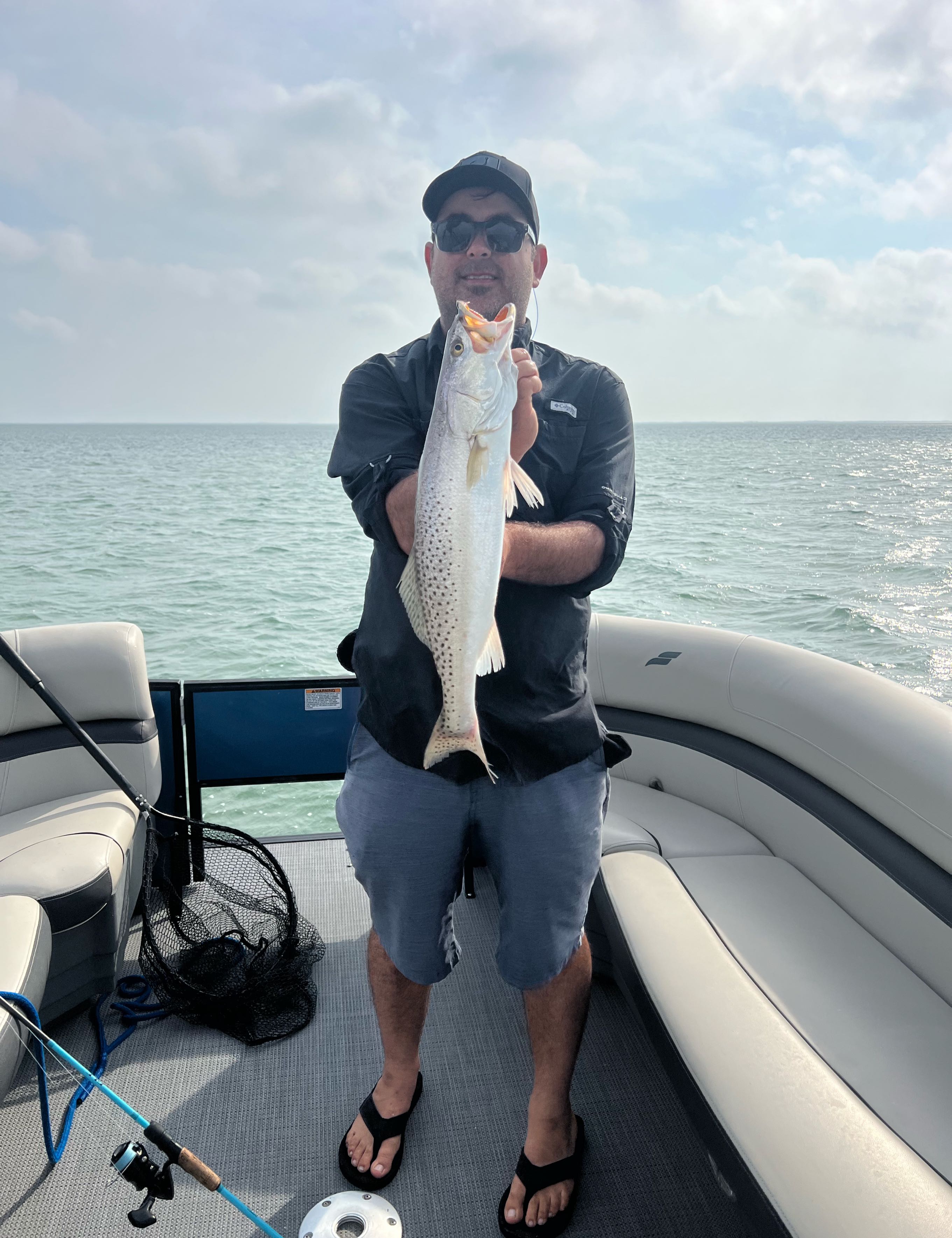
- Top-rated Fishing Charters in South Padre Island


Summary
Join a fishing charter in South Padre Island with Captain Skylar Wilhite of South Water Charters. This Wednesday, October adventure targets Greater Amberjack and Grey Snapper, offering an exciting offshore fishing experience where you'll learn deep-water techniques and species behavior while landing impressive catches.
Fishing Charter with Captain Skylar Wilhite - Rates & Booking
Captain Skylar Wilhite of South Water Charters on Wednesday, October provides expert-guided fishing experiences targeting premium offshore species. Book your South Water Charters fishing charter to gain access to proven fishing grounds and professional guidance on deep-water techniques. Contact South Water Charters to reserve your dates and receive current rate information.
Highlights of Your Fishing Experience
This offshore fishing charter focuses on Greater Amberjack and Grey Snapper, two species that require specific tactics and deeper water knowledge. You'll experience the satisfaction of landing hard-fighting fish while learning the environmental factors that influence their behavior. The dock display shows successful catches that represent what skilled anglers can achieve on South Padre Island waters.
South Padre Island's coastal waters provide ideal conditions for amberjack fishing throughout much of the year. The combination of structure, current patterns, and seasonal migrations makes this location a premier destination for serious anglers seeking trophy-class catches.
Local Species Insights: Greater Amberjack and Grey Snapper
Greater Amberjack are aggressive predators found in deeper offshore waters, typically between 60 and 200 feet deep. These powerful fish are known for strong, sustained runs and require heavy tackle and proper technique. Amberjack respond to live bait presentations and artificial lures, particularly around structure like oil rigs, wrecks, and rocky outcroppings. Their behavior changes seasonally, with different depth preferences and activity levels depending on water temperature and food availability.
Understanding amberjack habitat means recognizing that they congregate around structures where baitfish gather. The fish use these areas as feeding zones, making structure-related fishing techniques essential. Anglers who learn to read water depth, current direction, and seasonal patterns dramatically improve their success rates.
Grey Snapper inhabit similar offshore and nearshore environments, though they often stay slightly shallower than amberjack. These fish are opportunistic feeders that respond well to live bait and cut bait presentations. Grey Snapper demonstrate different behavioral patterns based on time of day and water conditions. Early morning and late afternoon periods often produce better activity levels, as the fish move into feeding zones during lower light conditions.
Both species require respect for size and bag limit regulations, which are strictly enforced in Texas waters. Understanding local regulations and seasonal closures is crucial for responsible fishing. Captain Skylar Wilhite stays current on all regulations and ensures that every angler follows proper guidelines.
The offshore environment near South Padre Island creates unique fishing conditions. Water temperature, salinity levels, and seasonal currents all influence fish behavior and location. Experienced guides understand these variables and adjust their fishing strategy accordingly. Learning to read these environmental factors helps you become a more effective angler and appreciate the complexity of offshore fishing ecosystems.
Fishing in South Padre Island: Greater Amberjack and Grey Snapper

Greater Amberjack Overview
The Greater Amberjack (Seriola dumerili) is a prized saltwater game fish belonging to the family Carangidae and order Perciformes. Known for its distinctive bluish-grey coloring and characteristic amber stripe running along its body, this powerful predator is one of the most sought-after species by recreational anglers across North America. With its slender frame, pointed head, and aggressive feeding behavior, the Greater Amberjack stands out in offshore and reef environments as a true test of skill and endurance. This fish is not only popular for its size—reaching up to 6 feet in length—but also for its high-quality meat and significant commercial value. Whether you're fishing off the Gulf of Mexico or exploring the Caribbean, encountering a Greater Amberjack represents an unforgettable offshore adventure.
Greater Amberjack Habitat and Distribution
Greater Amberjack are found along the eastern coast of the United States in the Atlantic Ocean, ranging through the Gulf of Mexico to the Caribbean Sea. These fish thrive in offshore environments, particularly around reefs and wrecks where they hunt smaller fish and invertebrates. The species is native to these waters and has become a cornerstone of both recreational and commercial fisheries throughout the region. Their preference for structure—whether natural reefs or artificial wrecks—makes them relatively predictable targets for experienced anglers who know how to work these habitats effectively.
Greater Amberjack Size and Weight
These impressive fish typically grow between 60 to 75 inches in length, with weights ranging from 40 to 200 pounds. On average, Greater Amberjack reach around 39 pounds, though larger specimens are regularly caught. They can live up to 17 years in the wild, reaching sexual maturity at approximately 4 to 5 years of age. Interestingly, female Greater Amberjack tend to grow larger and live longer than their male counterparts, making them particularly prized catches for trophy-focused anglers.
Greater Amberjack Diet and Behavior
As apex predators in their marine ecosystem, Greater Amberjack are aggressive and opportunistic feeders. Their diet consists primarily of smaller fish and marine invertebrates, including squid, crustaceans, sardines, and bigeye scad. This species is not particularly picky about its prey, which works to the advantage of anglers using a variety of lures and baits. The fish display explosive feeding behavior, particularly when excited or competing for food, which is when the distinctive dark amber stripe on their head becomes even more pronounced. Their position at the top of the marine food chain means they accumulate higher levels of natural toxins, which is worth considering for culinary purposes.
Greater Amberjack Spawning and Seasonal Activity
The Greater Amberjack spawning period occurs from April through May, making spring an exciting time for offshore anglers. During this reproductive season, fish congregate in deeper waters and may be more aggressive as they prepare for spawning events. Understanding this seasonal pattern helps anglers time their trips for optimal encounters with active, feeding fish. The species maintains relative activity throughout the year in offshore and reef environments, though spring and early summer typically offer the best combination of accessibility and aggressive behavior.
Greater Amberjack Techniques for Observation or Capture
Trolling and Drifting: One of the most effective methods for Greater Amberjack involves trolling or drifting over known reef and wreck structures. Anglers use heavy rods and reels with lines testing 50 pounds or more, equipped with metal jigs, spoons, or plugs. This technique allows you to cover water systematically and present lures at the right depth where these fish patrol. Around popular offshore destinations along the Gulf Coast, guides often recommend drifting with live baitfish—particularly sardines or other small fish—which consistently produce results due to the species' predatory nature.
Casting and Light Tackle: Experienced anglers can achieve success with lighter spinning and baitcasting rigs, and even fly rods in certain conditions. Jigs, poppers, and fly streamers work exceptionally well when casting around wreck structures or reef formations. This method requires precision and patience but offers the added excitement of sight-casting and feeling direct strikes through lighter tackle. The key is accurate placement near structure combined with aggressive retrieves that trigger competitive feeding responses.
Live Baitfish Presentation: Whether using heavy or light tackle, presenting live baitfish—particularly larger specimens—remains one of the most reliable techniques for targeting Greater Amberjack. Live fish appeal to their predatory instincts and often outperform artificial lures, especially when fishing deeper wreck environments where the fish may be less reactive to visual stimuli. Slow presentations that allow the baitfish to move naturally often result in explosive strikes.
Greater Amberjack Culinary and Utilization Notes
Greater Amberjack is greatly prized for its high-quality meat and represents one of the most commercially important species around the Mediterranean, and in North and South America. The flesh is firm, mild, and versatile for cooking, making it popular in both recreational and commercial markets. However, potential anglers should be aware that as an apex predator, Greater Amberjack can accumulate ciguatera toxins, particularly in larger specimens from tropical waters. This doesn't prevent consumption, but it's worth researching specific locations and considering fish size when deciding whether to keep your catch for culinary purposes. Many anglers practice catch-and-release to preserve populations while still enjoying the thrill of the fight.
Greater Amberjack Frequently Asked Questions
Q: What is the best bait for catching Greater Amberjack?
A: Live baitfish such as sardines, bigeye scad, and other small fish are highly effective, particularly when using heavy tackle in deeper water. Metal jigs, spoons, and large plugs also work well for anglers who prefer artificial lures. The key is matching the size and presentation to the fishing conditions—what works on a shallow reef may differ from what succeeds over a deep wreck.
Q: Where can I find Greater Amberjack fishing opportunities in the Gulf of Mexico?
A: Greater Amberjack are abundant throughout the Gulf of Mexico, particularly around established offshore reefs and wreck structures. Popular destinations include areas off the Florida panhandle, Louisiana coast, and throughout the Caribbean. Charter services and local fishing guides can direct you to productive locations based on current conditions and seasonal patterns.
Q: Is Greater Amberjack good to eat?
A: Yes, Greater Amberjack has high-quality, firm white meat that is excellent for grilling, baking, or pan-searing. However, larger fish from tropical waters may carry ciguatera toxins, so it's advisable to research your specific fishing location and consider the size of your catch. Many anglers enjoy the culinary aspect, while others practice catch-and-release for conservation and the pure sport of fishing.
Q: When is the best time to catch Greater Amberjack?
A: While Greater Amberjack are available year-round in offshore and reef environments, spring (April through May) is particularly productive as they prepare for their spawning season and display aggressive feeding behavior. Summer and early fall also offer excellent opportunities, with the species remaining active as long as water temperatures remain stable and reef structures provide adequate hunting grounds.
Q: What tackle should I use for Greater Amberjack?
A: Heavy tackle with 50-pound test or higher is standard, especially for offshore wreck fishing where larger specimens and snag hazards are common. However, experienced anglers can succeed with lighter spinning or even fly tackle in shallower reef environments. The choice depends on your skill level, the specific fishing location, and whether you're targeting trophy-size fish or simply seeking an active, exciting experience.
Q: How long do Greater Amberjack live, and when do they mature?
A: Greater Amberjack can live up to 17 years in the wild, reaching sexual maturity around 4 to 5 years of age. Females generally grow larger and live longer than males, making them particularly valuable in terms of breeding populations. Understanding their life cycle helps anglers practice responsible catch-and-release, particularly for younger fish that haven't yet contributed to spawning aggregations.
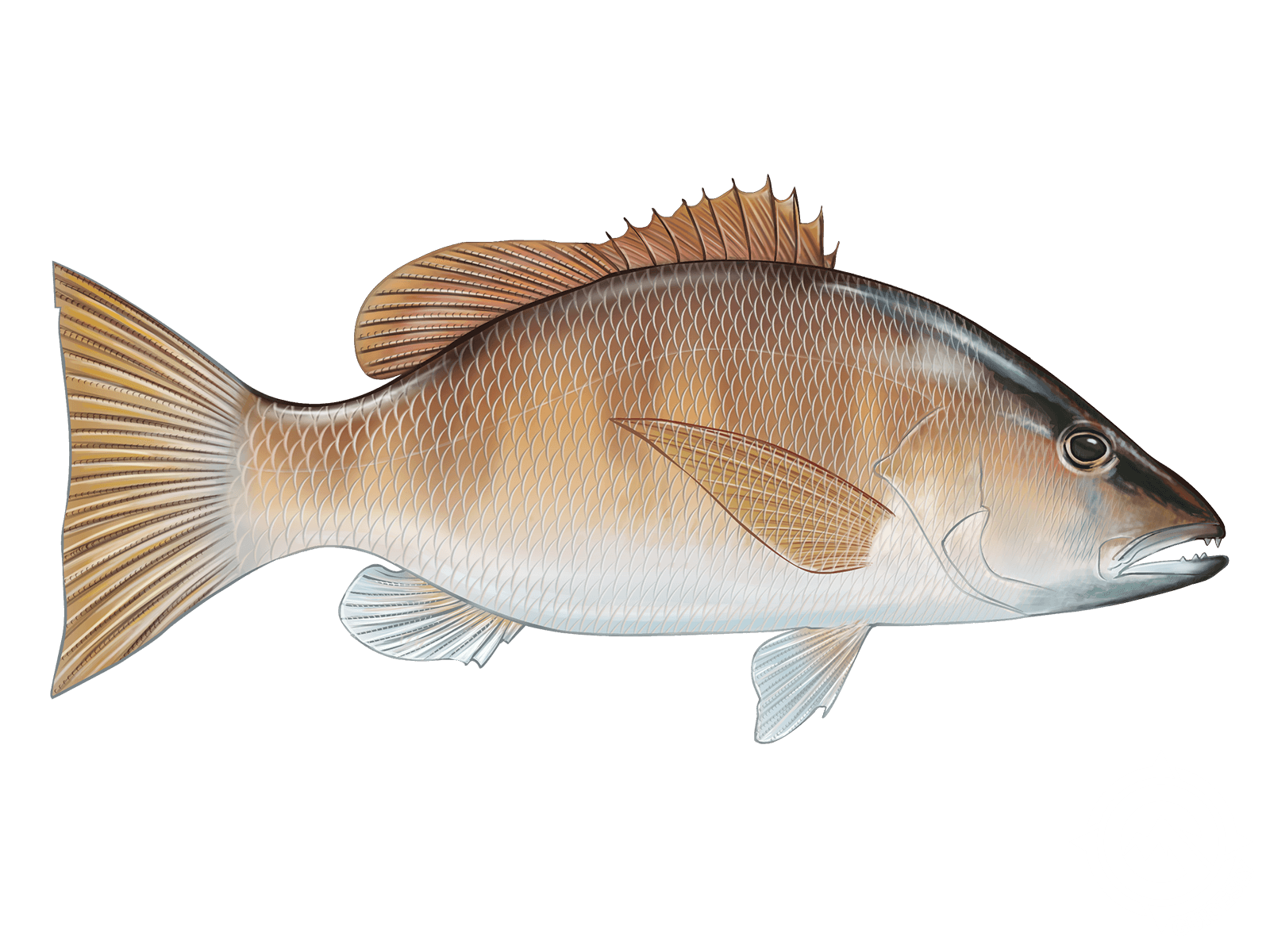
Grey Snapper Overview
The Grey Snapper, scientifically known as Lutjanus Griseus and commonly called the Mangrove Snapper, is a member of the Lutjanidae family within the order Perciformes. This remarkable fish is instantly recognizable by its striking greyish-red coloration that transitions from copper-red to brilliant red, along with a distinctive dark stripe running across its eye. With a pointed snout, thin lips, and small teeth, the Grey Snapper is one of the most abundant snapper species and a favorite among anglers and seafood enthusiasts alike. Found throughout warm to temperate waters from coastal reefs to mangrove-lined backcountry, this swift, nocturnal hunter is native to regions where it thrives as an opportunistic predator, making it a fascinating subject for both observation and fishing experiences.
Grey Snapper Habitat and Distribution
Grey Snappers are creatures of structure and cover, preferring environments rich with natural and artificial obstacles. They inhabit canals, grass flats, mangrove forests, rocky outcrops, shipwrecks, and debris fields in warm to temperate waters. These fish are distributed across onshore and nearshore reef systems, backcountry flats, rivers, and lakes where water conditions remain stable and prey is abundant. The species thrives in areas with strong water columns and complex bottom structures that provide ideal ambush points for their opportunistic hunting style. Whether you're exploring shallow backcountry regions or deeper reef systems, Grey Snappers are likely to be present in any location offering adequate cover and consistent food sources.
Grey Snapper Size and Weight
While Grey Snappers typically measure between 10 to 14 inches and weigh 1 to 2 pounds when found inshore, they can achieve significantly larger proportions in open water environments. Specimens caught offshore commonly reach weights of 20 pounds, though inshore fishing typically yields catches of 3 to 4 pounds. The size range for notable catches generally falls between 30 to 35 inches in length, with weights reaching up to 8 pounds in productive fishing waters. Juvenile Grey Snappers tend to display darker coloration than their adult counterparts, making them visually distinct at different life stages.
Grey Snapper Diet and Behavior
As opportunistic carnivores, Grey Snappers display flexible feeding habits and are most active during nighttime hours. Young specimens congregate near seagrass beds where they feast on a variety of crustaceans and smaller fish, while juveniles and adults alike will consume zooplankton when available. Their diet becomes increasingly piscine as they mature, focusing primarily on small fish and crustaceans. These swift swimmers are not aggressive toward humans but are highly effective ambush predators, using their speed and structural cover to seize feeding opportunities. The nocturnal nature of Grey Snappers means they feed and move most actively after sunset, making them particularly responsive to nighttime fishing efforts.
Grey Snapper Spawning and Seasonal Activity
Grey Snappers display remarkable reproductive behavior, spawning millions of eggs during full moon periods. This synchronized spawning pattern contributes to their status as the most abundant species within their genus, ensuring healthy population numbers across their range. The lunar-driven spawning cycle means that fishing success can vary depending on moon phases, with some anglers noting increased activity and feeding before and after major spawning events. Understanding these seasonal patterns can significantly enhance your chances of successful encounters with this prolific species.
Grey Snapper Techniques for Observation and Capture
Live Bait Method (Primary Technique): The most effective approach for catching Grey Snappers involves using live bait, particularly live shrimp or mud minnows. Thread your line through a bobber and tie it to a 4J hook, ensuring your line can withstand abrasion. Insert the hook through the tail of your shrimp rather than the head to maximize bait longevity. Allow your bait to sink to the bottom, then reel up slightly to prevent snagging. Position yourself at beach piers, docks, or near water column structures where Grey Snappers congregate. Since these fish are opportunistic hunters, avoid excessive bobbing or movement that might deter them. Wait patiently for a tug, then reel steadily to set the hook before slowly bringing your catch to the surface.
Structural Fishing (Secondary Technique): Target mangrove forests, rocky reefs, shipwrecks, and debris fields during both day and night. In open water, allow your bait to sink deep into reef systems to draw out larger specimens. The complex structure provides the cover these ambush predators prefer. Cast near pilings, undercut banks, and fallen trees in river and lake environments.
Timing and Location Insight: Around popular fishing destinations in coastal Florida and throughout the Gulf region, evening and night fishing during full moon periods often produces exceptional results. Early morning hours before sunrise also yield productive catches as nocturnal feeders transition back to deeper resting areas.
Grey Snapper Culinary and Utilization Notes
The Grey Snapper has earned a stellar reputation among seafood enthusiasts for its exceptional table qualities. The meat is prized for being white, flaky, and tender with a mild, delicate flavor that appeals to diverse palates. Rich in high-quality protein and omega-3 fatty acids, this snapper provides excellent nutritional value. The species' culinary popularity combined with its abundance makes it both a sustainable and delicious choice for coastal dining. Whether grilled whole, filleted and pan-seared, or prepared in traditional fish stews, the Grey Snapper delivers consistent culinary satisfaction.
Grey Snapper Frequently Asked Questions
Q: What is the best bait for catching Grey Snappers?
A: Live shrimp rigged through the tail and live mud minnows are the top choices recommended by experienced anglers. The key is keeping your bait alive and naturally presented near the bottom where these opportunistic hunters patrol.
Q: Where can I find Grey Snappers in coastal waters?
A: Look for them around mangrove forests, grass flats, rocky reefs, pilings, docks, and shipwrecks. In backcountry environments, structure is your best indicator of Grey Snapper presence. Around Florida's Gulf Coast and throughout southern coastal regions, these habitats consistently hold productive populations.
Q: Is the Grey Snapper good to eat?
A: Absolutely. The Grey Snapper is highly regarded for its white, flaky, tender meat with a mild flavor. It's an excellent eating fish with good nutritional value, making it a favorite among both recreational and commercial fishermen.
Q: When is the best time to catch Grey Snappers?
A: While Grey Snappers are active throughout the year, they are primarily nocturnal feeders, making evening, night, and early morning hours most productive. Full moon periods trigger spawning and often increase feeding activity, making them excellent target dates for fishing trips.
Q: How do I distinguish a Grey Snapper from a Cubera Snapper?
A: Open the fish's mouth and examine the tooth patch. Grey Snappers have a triangular-shaped tooth patch without extensions, while Cubera Snappers display an arrow-shaped patch with extensions. This distinctive difference is the most reliable identification method.
Q: What makes Grey Snappers different from other snapper species?
A: Beyond their unique tooth structure, Grey Snappers are distinguished by their greyish-red coloration, dark eye stripe, pointed snout, and thin lips. They're also more abundant than most other snapper species and prefer shallower, structure-rich environments like mangrove forests and grass flats.